Yixuan Song, PhD
Postdoctoral Research Fellow


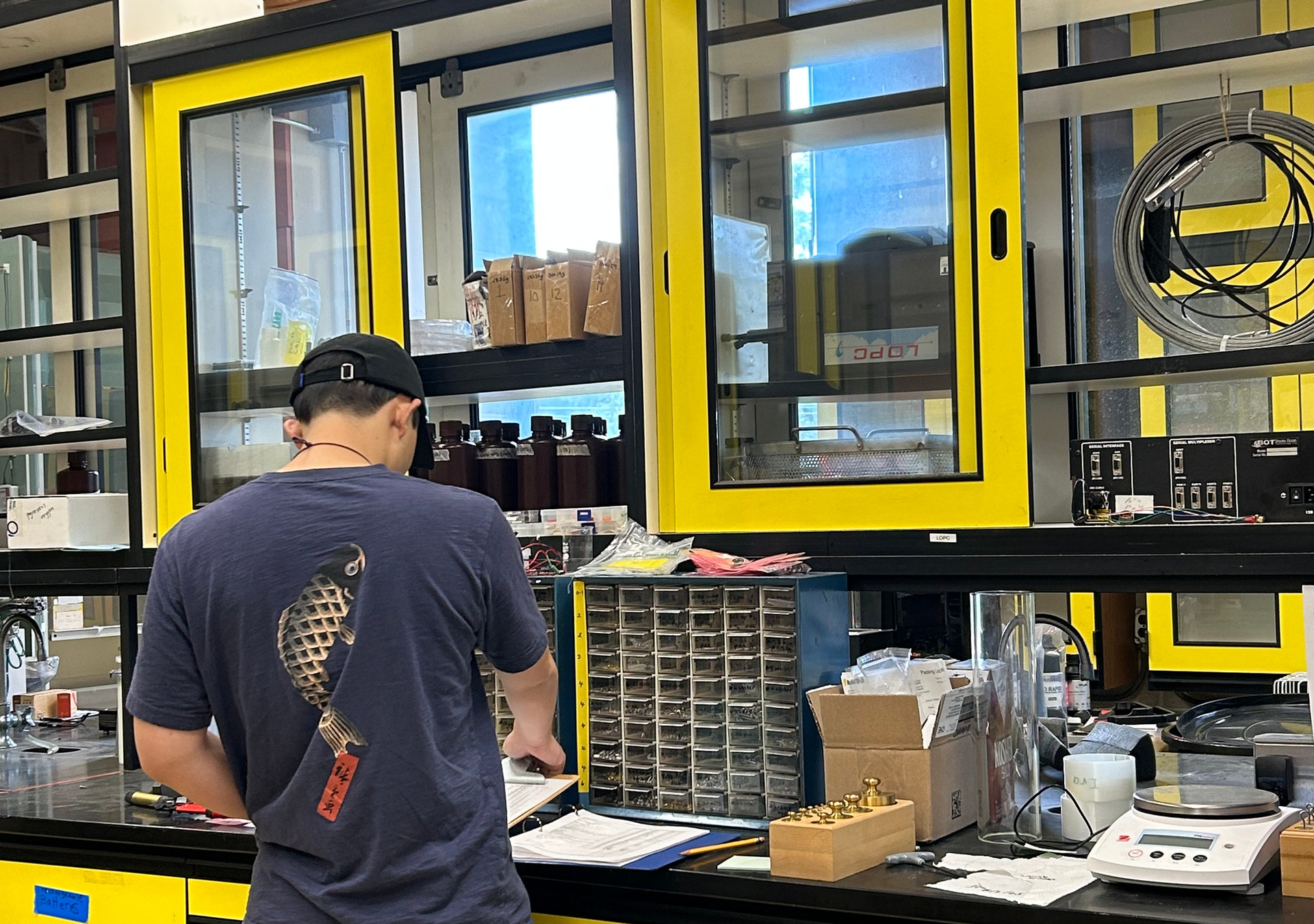
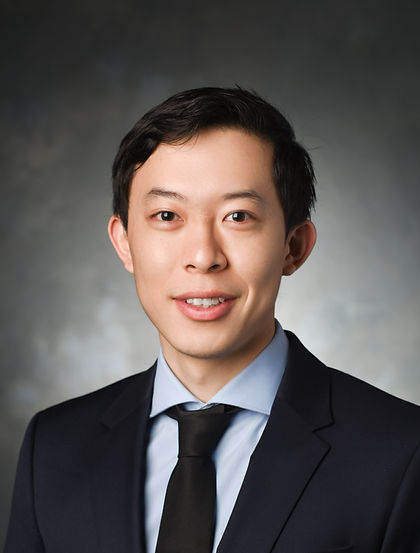
Welcome! My name is Yixuan (pronounced yi-shuan). I am a postdoctoral researcher at the Graduate School of Oceanography, University of Rhode Island, working with Dr. Melissa Omand. My background is in mechanical engineering, and I build instruments and use imaging to study particles and flows in the ocean. Please feel free to get in touch.
Research Interests
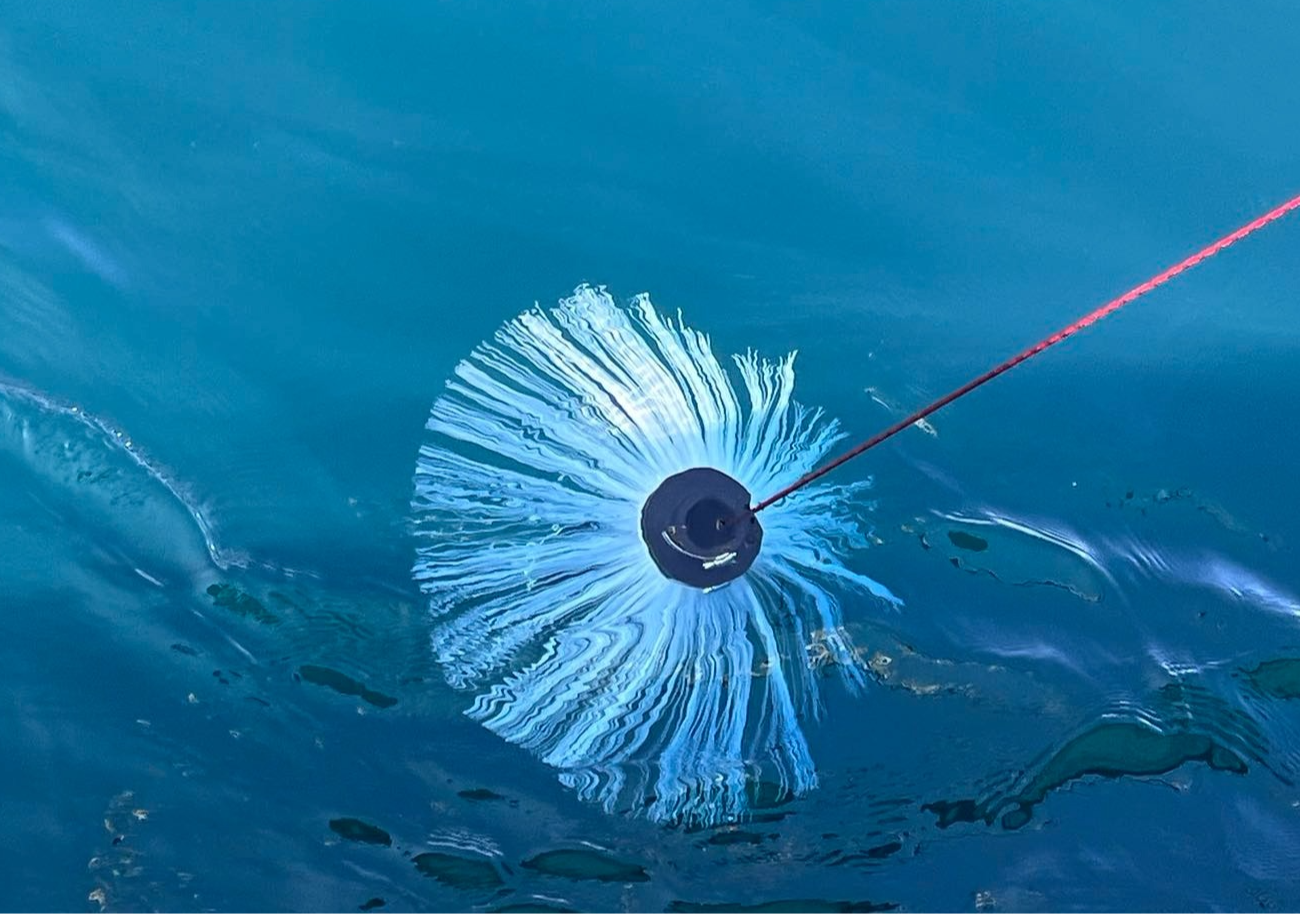
I am interested in how ocean particles move, deform, and break apart, and how these processes affect the transport of carbon. My work combines laboratory experiments with observations at sea. I develop underwater imaging tools to measure sinking particles and work on low-cost autonomous floats that drift with ocean currents while collecting images and environmental measurements. I use quantitative image analysis to turn these observations into measurements of particle properties and carbon flux.
Selected Publications
Y. Song, M. Omand, C. A. Durkin, M. L. Estapa, D. K. Steinberg (2026). Diel dynamics of zooplankton fecal pellet flux revealed by integrated in situ imaging observations and modeling. Limnology and Oceanography Letters, 11(4), e70148.
Images of zooplankton and fecal pellets, combined with a simple model, help explain how vertical migration and pellet sinking produce daily changes in carbon export.
Y. Song, M. Omand, C. A. Durkin, M. L. Estapa, K. O. Buesseler (2025). GelCam: Visualizing sinking particle flux via a polyacrylamide gel-based sediment trap. Limnology and Oceanography: Methods, 23(10), 715-728.
GelCam uses time-lapse images of particles settling into a gel trap to measure hourly changes in particle flux and estimate the carbon carried by different particle types.
Y. Song, A. B. Burd, M. J. Rau (2023). The deformation of marine snow enables its disaggregation in simulated oceanic shear. Frontiers in Marine Science, 10, 1224518.
doi: 10.3389/fmars.2023.1224518
Controlled-flow experiments show how deformation weakens marine aggregates, helping explain why they can break apart even under the weak shear flows typical of the ocean.
Y. Song, M. Rau (2020). Viscous fluid flow inside an oscillating cylinder and its extension to Stokes' second problem. Physics of Fluids, 32(4), 043601.
An analytical solution shows how cylinder size affects laminar flow driven by an oscillating wall, extending Stokes' flat-wall problem. Measurements validate the periodic flow after startup transients decay.